
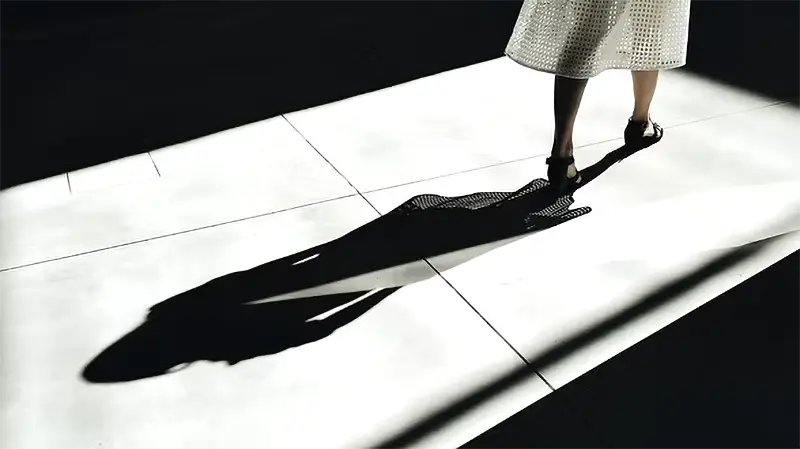
The shadow is one of the most powerful forces shaping human behavior because it operates outside of conscious awareness. Originally described by Carl Jung, the shadow refers to the parts of ourselves we reject, suppress, or deny. These may include anger, jealousy, vulnerability, selfishness, fear, ambition, creativity, sexuality, or even our greatest strengths. Whatever we believe is unacceptable—whether because of family expectations, culture, or painful experiences—often gets pushed into the shadow. Yet hidden does not mean powerless. The shadow continues to influence our choices, relationships, emotions, and reactions, often without our realizing it.
Ironically, the more fiercely we deny the shadow, the more power it gains. Traits we refuse to acknowledge in ourselves are often projected onto others, causing us to judge, criticize, or become intensely reactive. We may repeatedly find ourselves in the same conflicts, choosing the same unhealthy relationships, or sabotaging our own success because unseen parts of us are trying to be recognized. The shadow doesn’t disappear through avoidance; it simply finds more indirect ways to express itself. Until we become conscious of these hidden aspects, they often control us rather than serve us.
Shadow work is the courageous process of bringing these hidden parts into awareness with curiosity instead of shame. It is not about eliminating the darker aspects of ourselves but about understanding them. Every shadow contains energy that was once necessary for survival. A person who buried their anger to keep the peace may discover that anger also contains healthy assertiveness. Someone who suppressed ambition to avoid criticism may find tremendous creativity and leadership waiting beneath the surface. When the shadow is acknowledged rather than feared, it becomes a source of vitality, authenticity, and personal power.
The greatest gift of embracing the shadow is freedom. As hidden parts are integrated into conscious awareness, people become less reactive, less driven by unconscious patterns, and more capable of making intentional choices. Relationships improve because projections decrease. Confidence grows because authenticity replaces perfectionism. Instead of spending energy hiding parts of themselves, people can use that energy to create, connect, and live with greater purpose. The shadow is not the enemy of psychological growth—it is often the doorway to it. The qualities we fear most within ourselves frequently become our greatest sources of wisdom, resilience, compassion, and strength once they are brought into the light.